Reharvest
2025
Client: SIGN (Foundation for Dutch Horticulture Innovation)
Co-designer: Emile Waterkeyn
Designed from initial idea to concept and final production, Reharvest offers a glimpse into the future of horticulture and explores the hidden potential of plants.
In today's greenhouses, every element is precisely controlled: light, water, nutrients, and air are tuned to optimise growth. They've become choreographed plant factories, where nature has been industrialised to deliver perfect tomatoes and flawless roses.
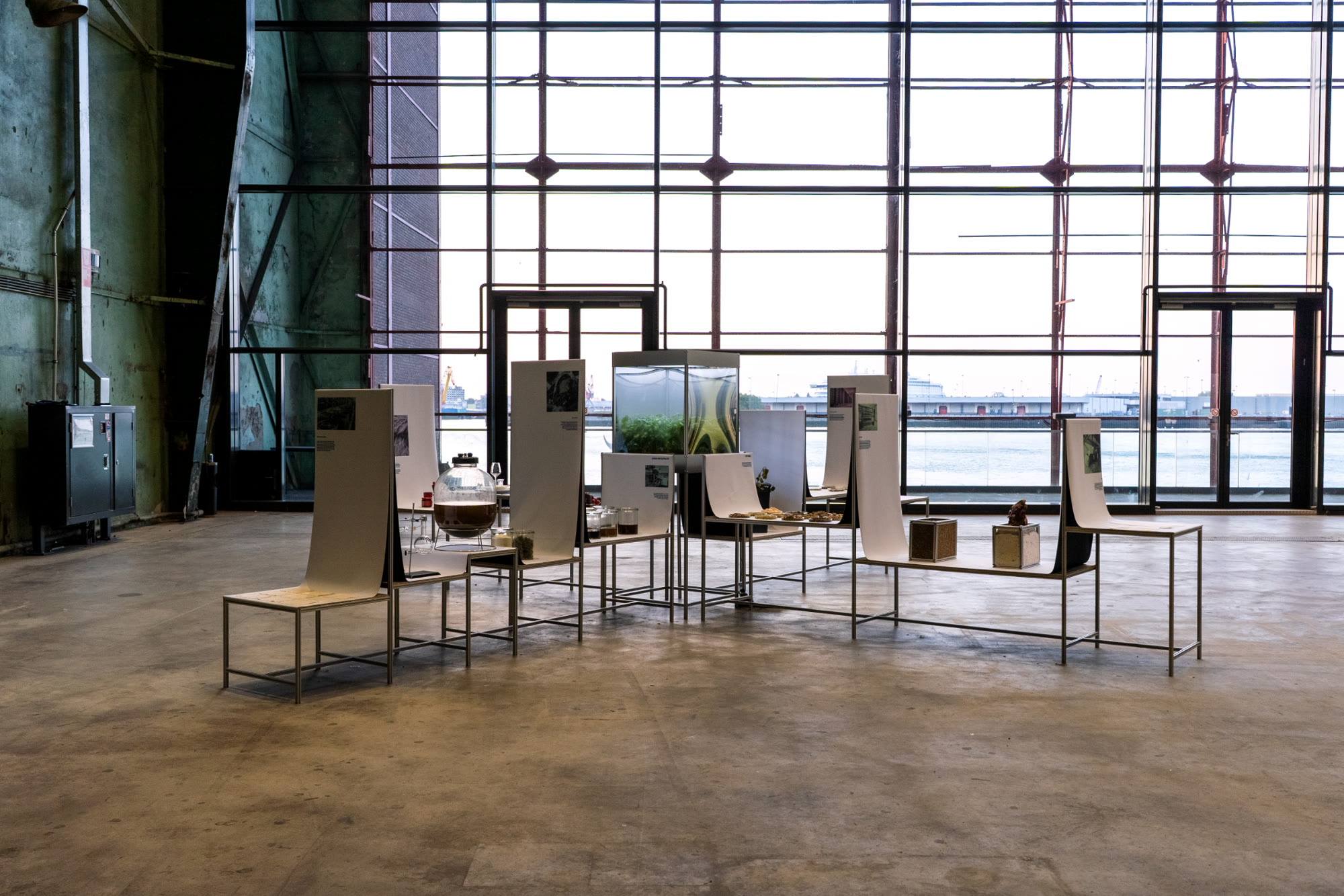
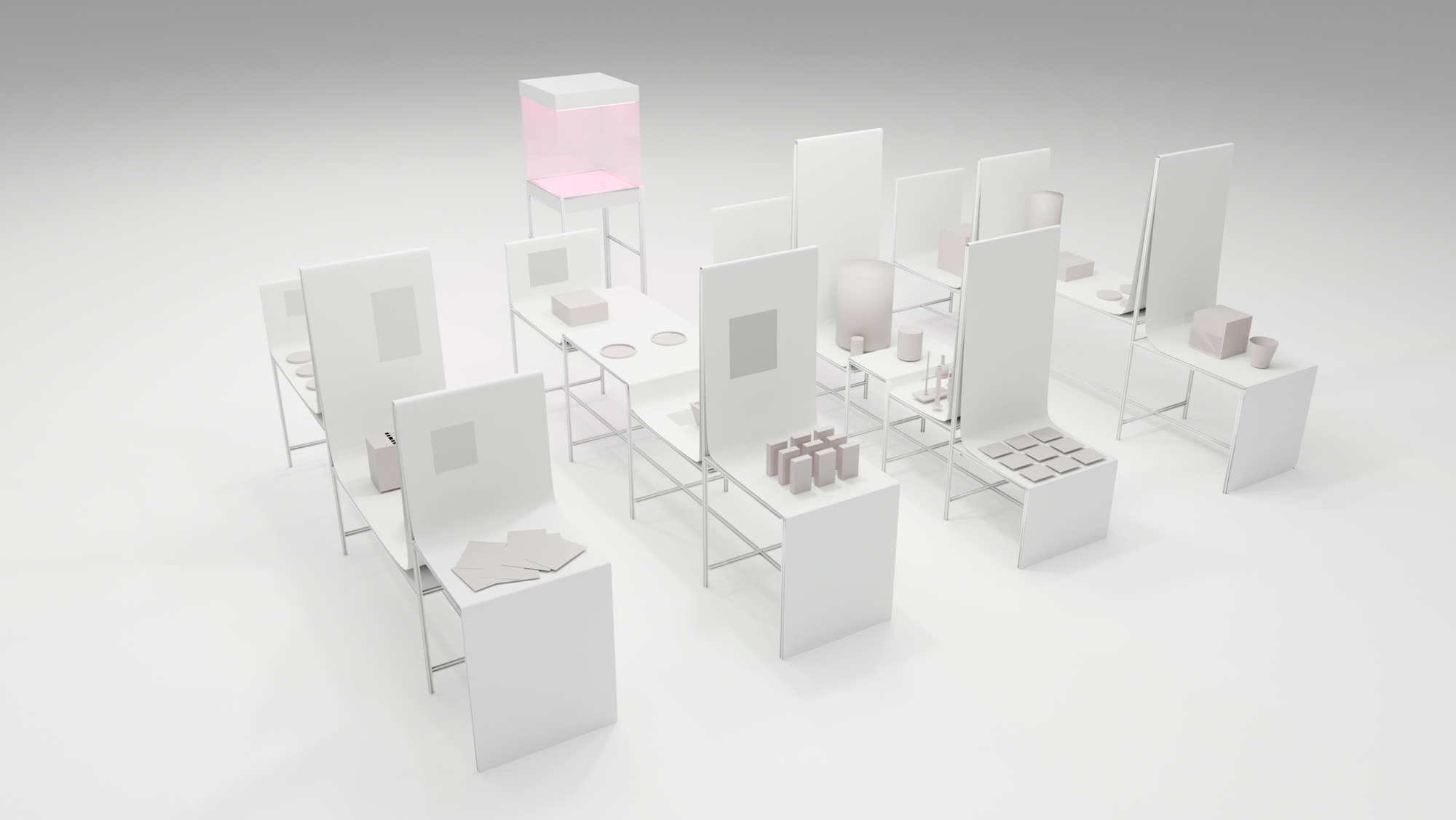
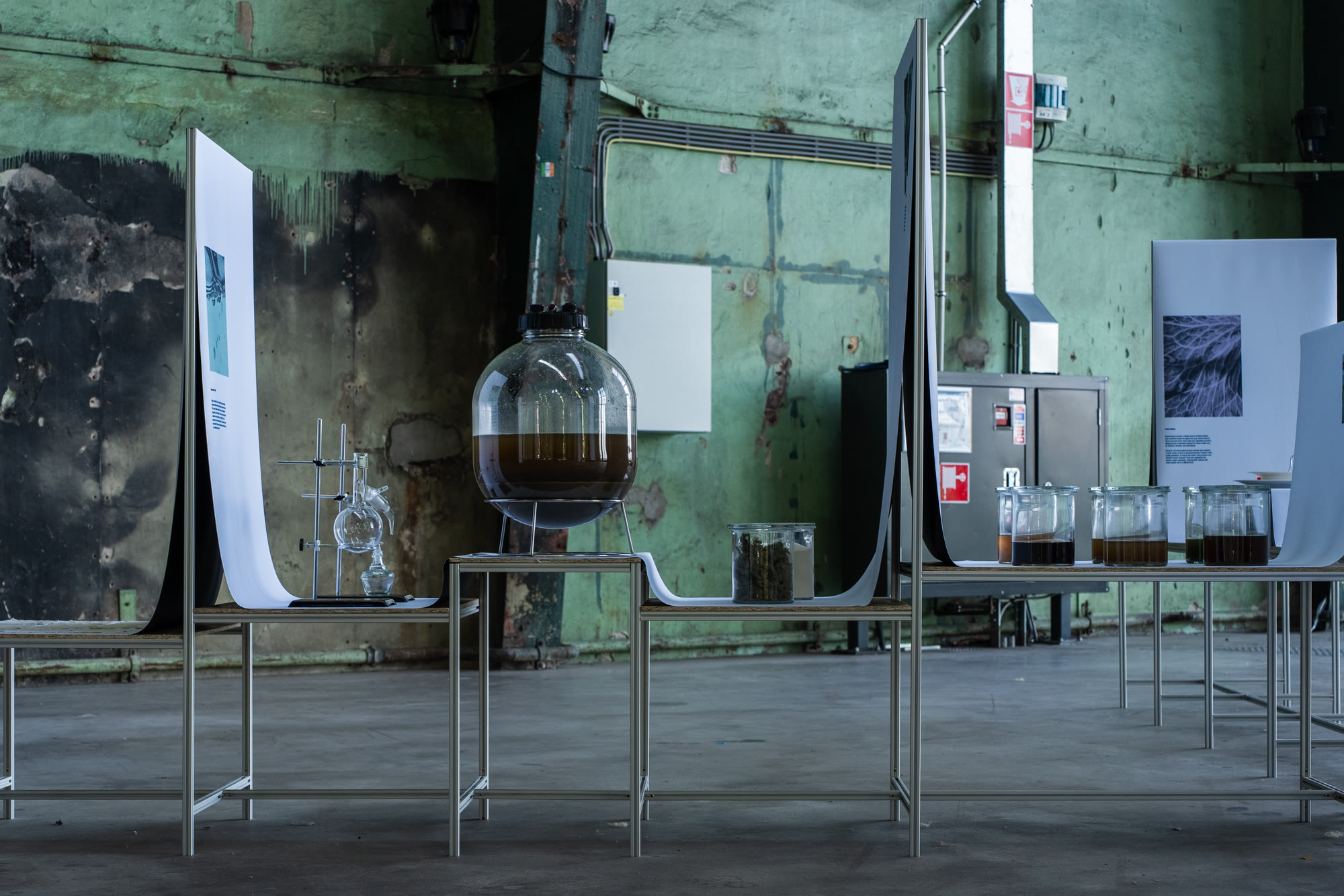
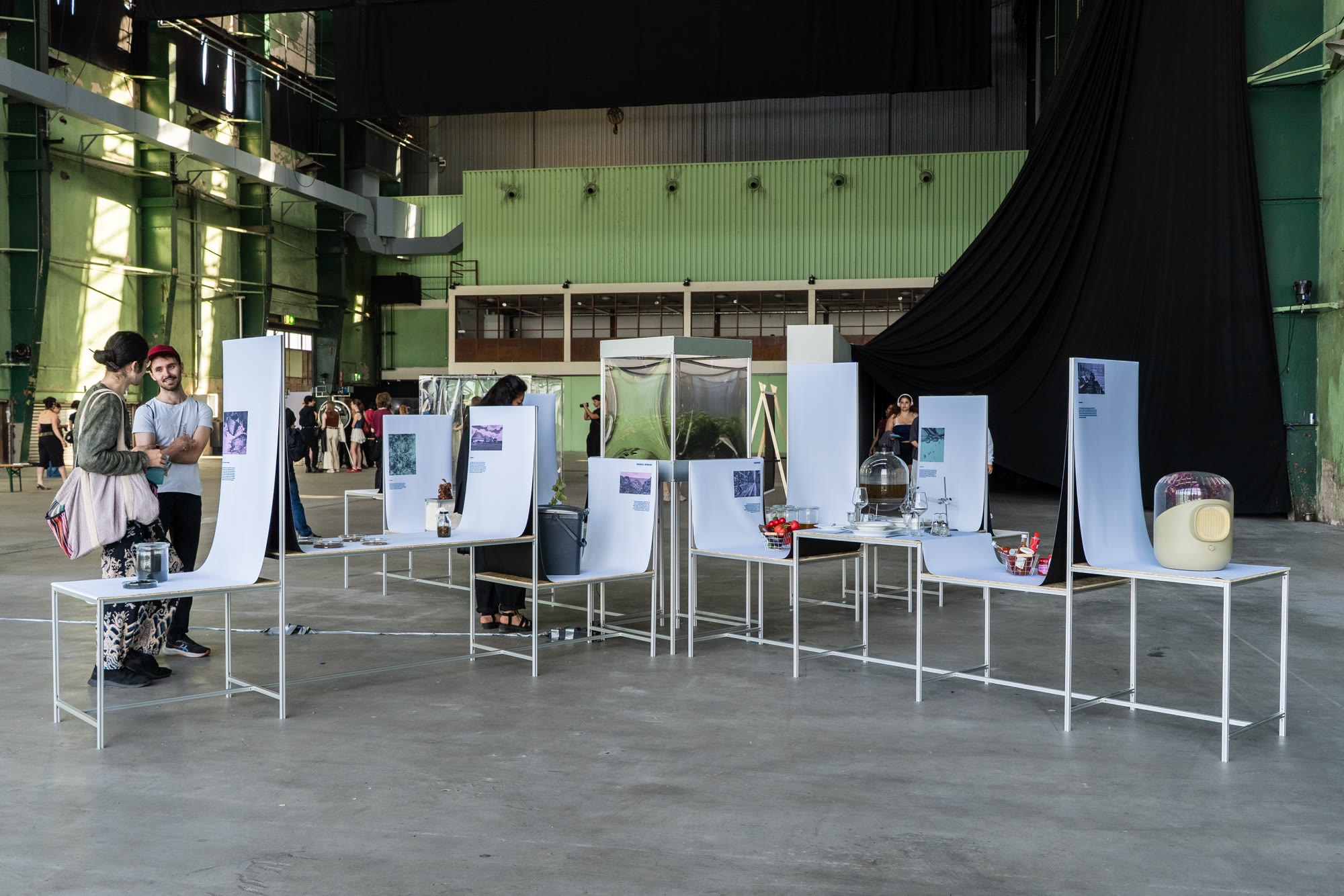
The exhibition highlights the material flows emerging from horticulture and shows how a range of case studies reapply these materials as valuable resources across other industries.
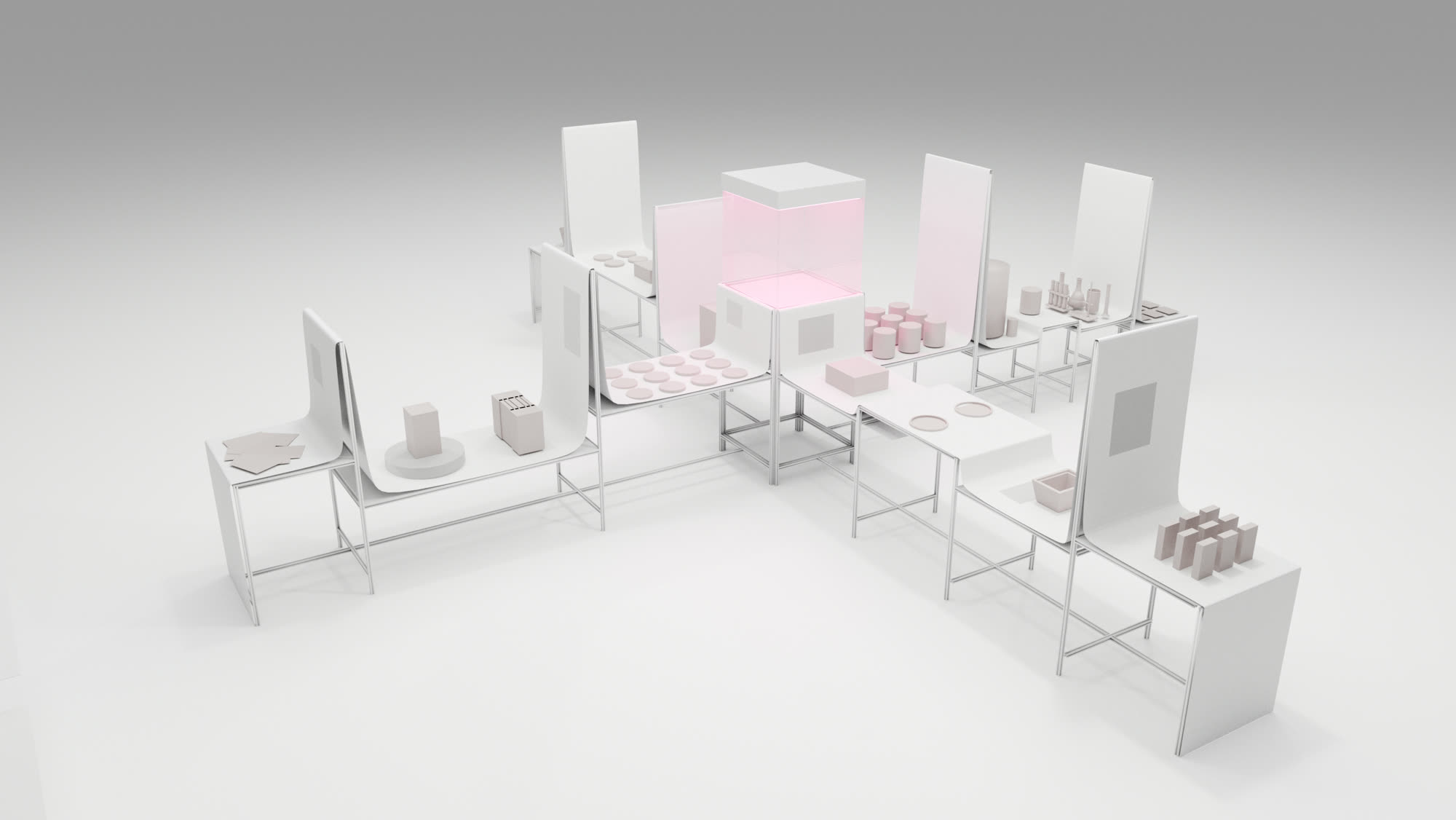
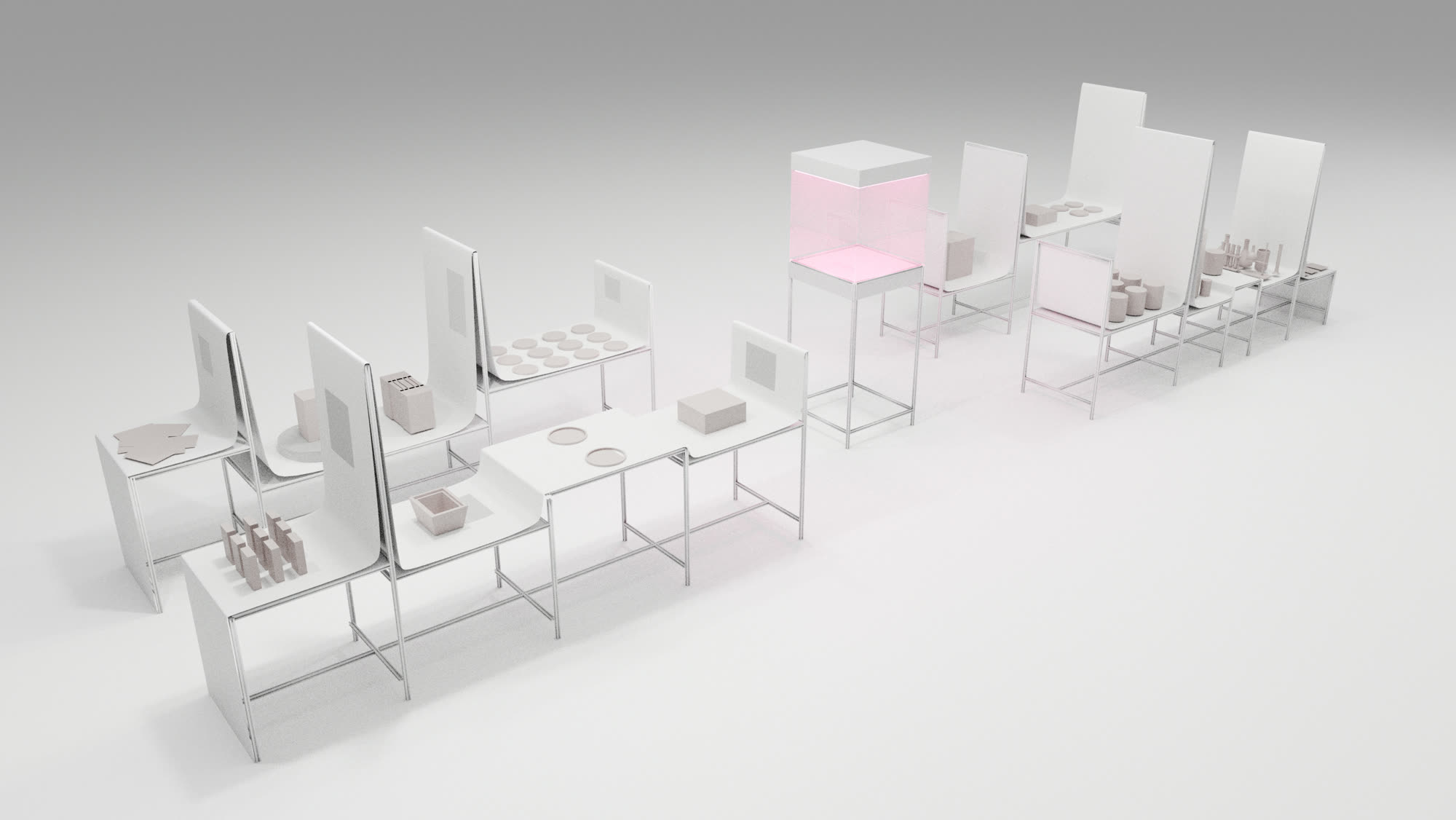
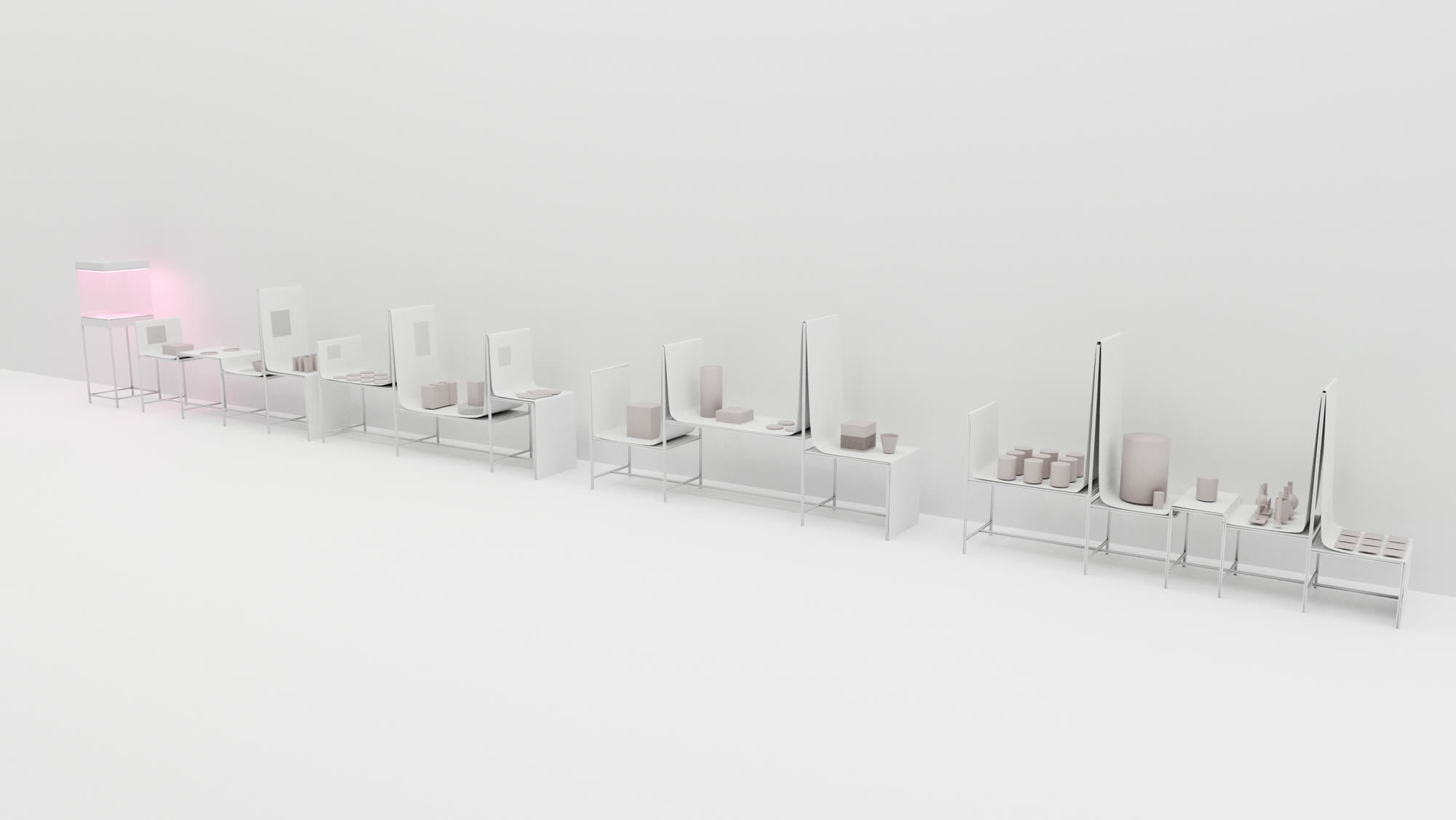
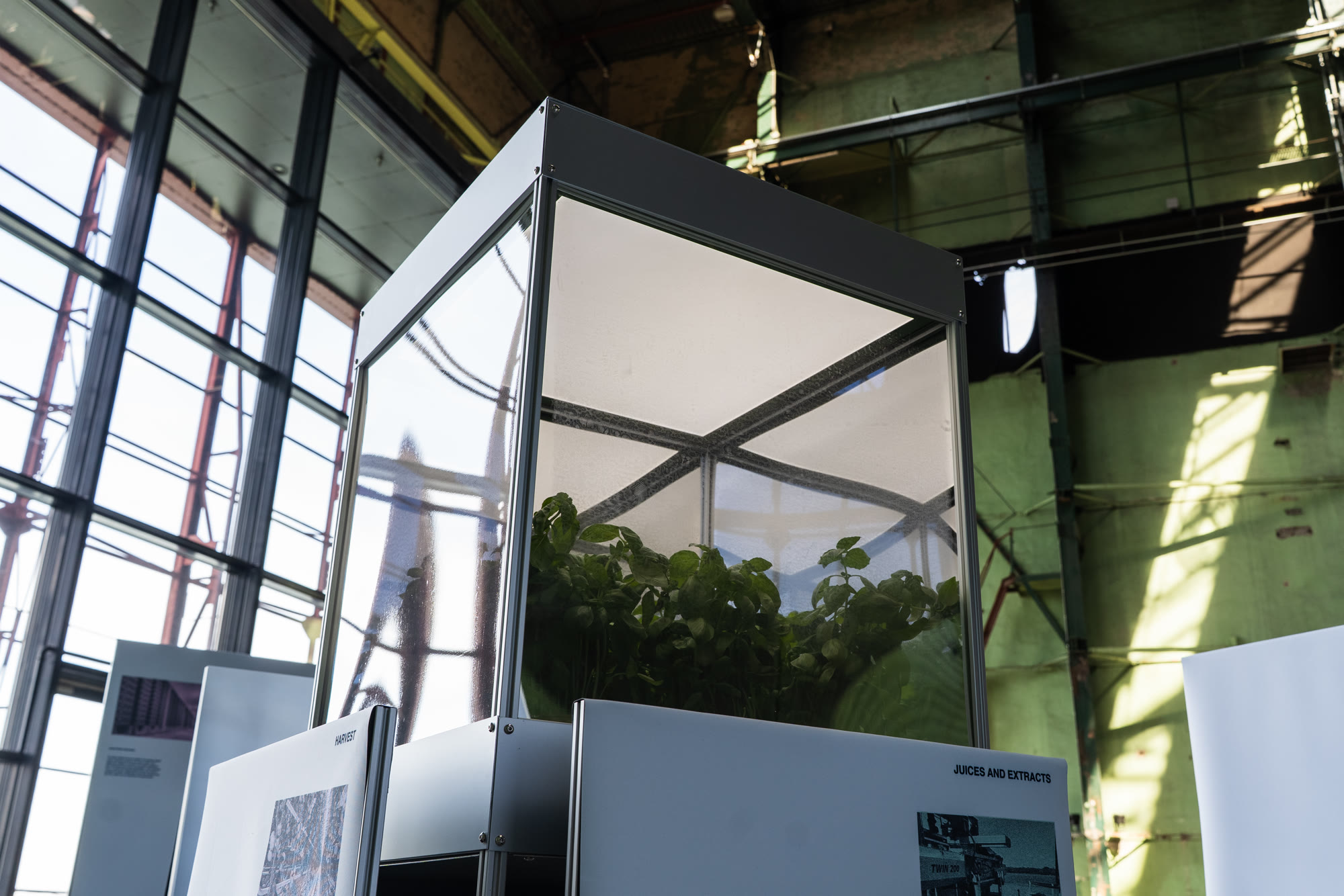
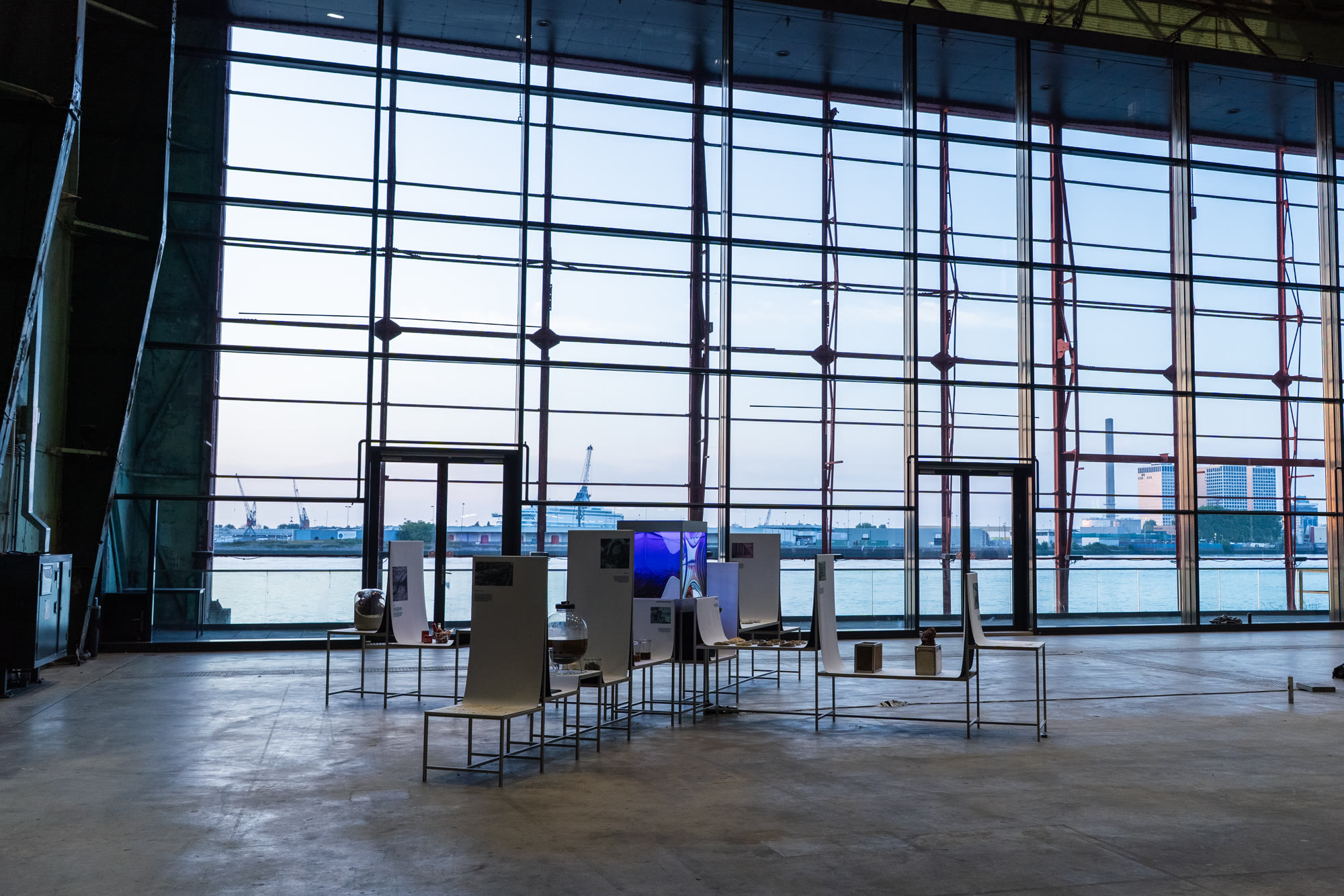
Positioned as the beating heart, an abstracted glasshouse conveys its role as the life behind the materials. This object contains living greenhouse plants, with integrated lighting, irrigation, and air circulation.
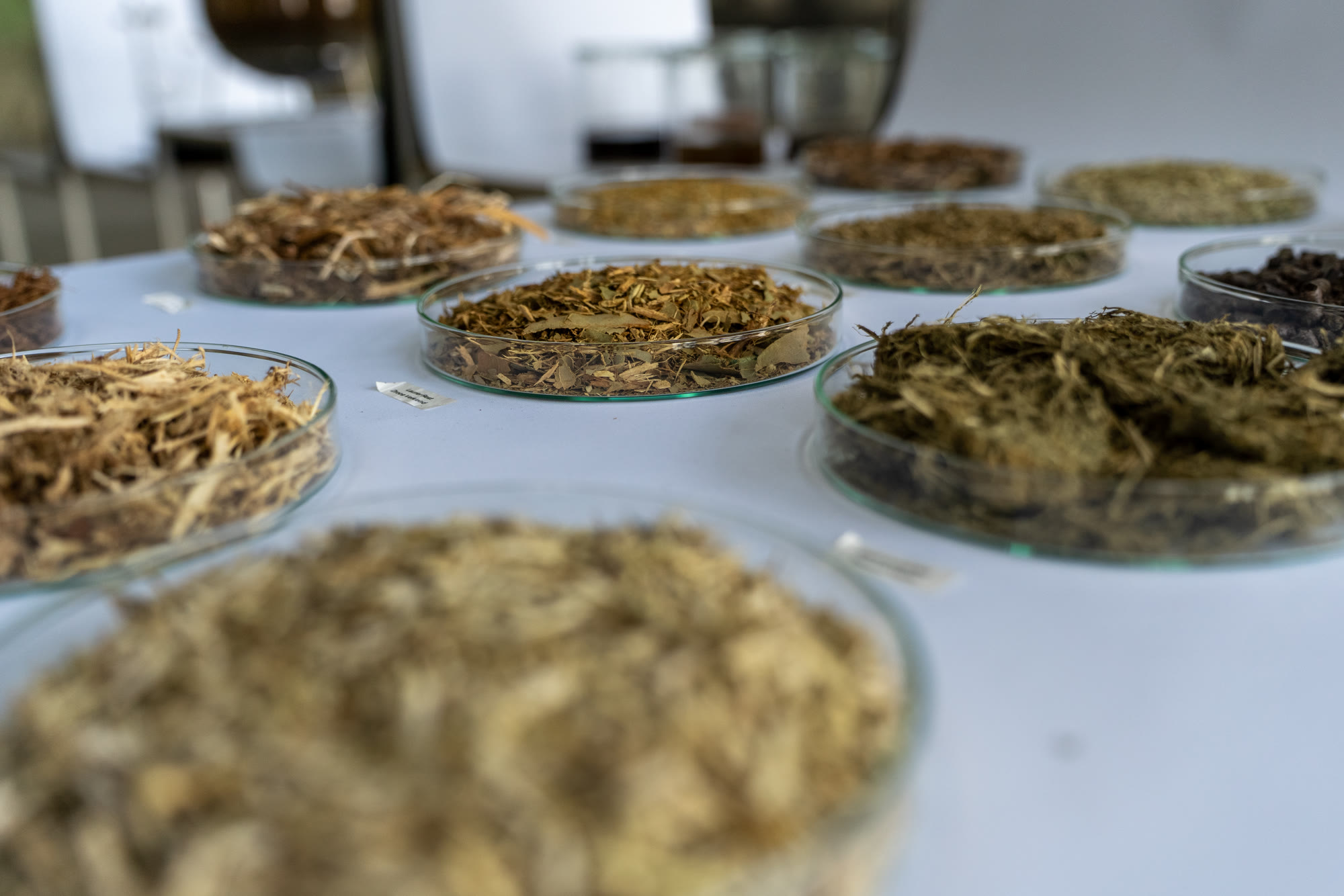
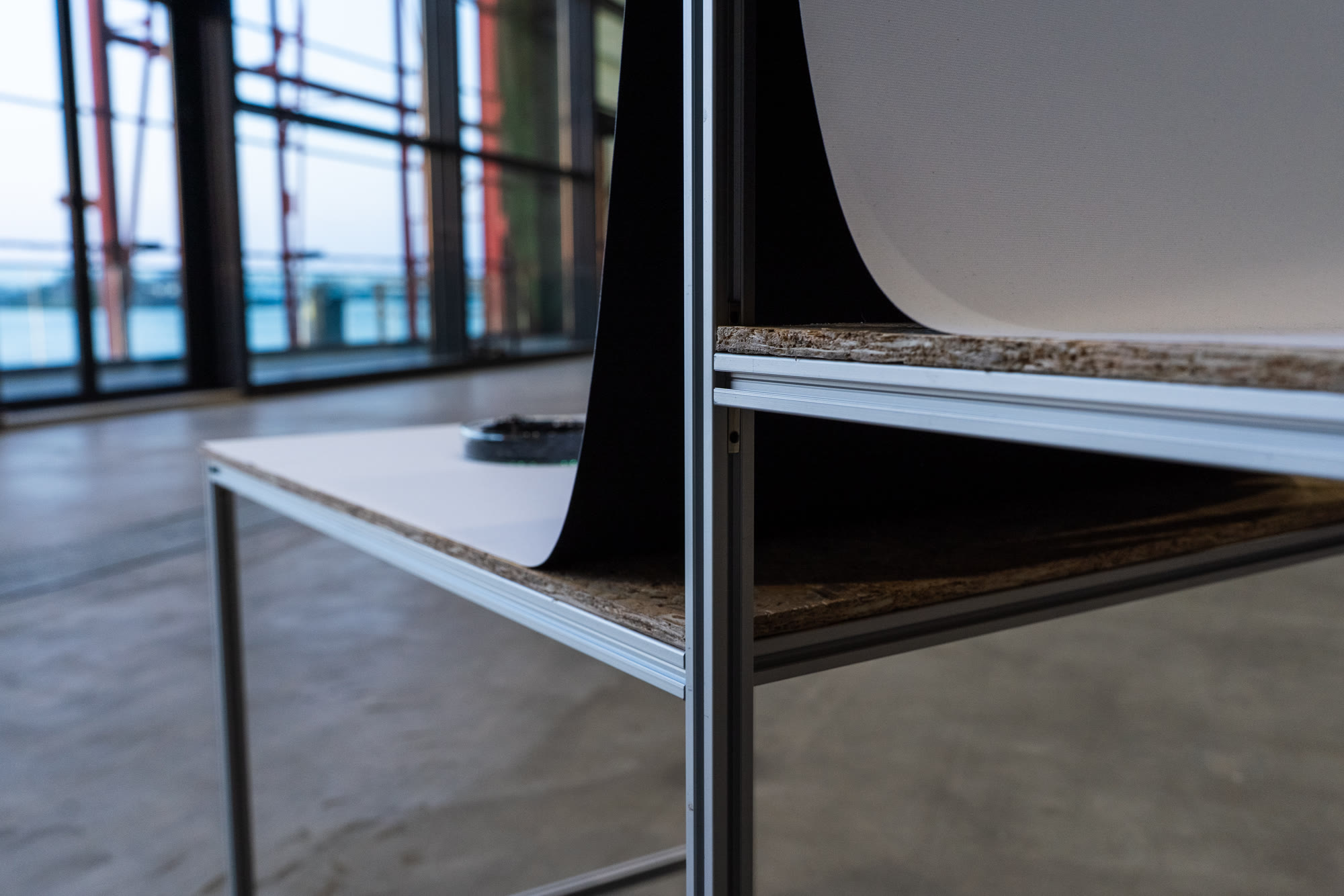
From it, four biomass streams branch outward, each leading to an application that shows how the overlooked by-products of horticulture could power a circular, bio-based economy. Each frame tells the story of a specific resource category: dry plant fibres; plant juices; energy production; and the harvest.